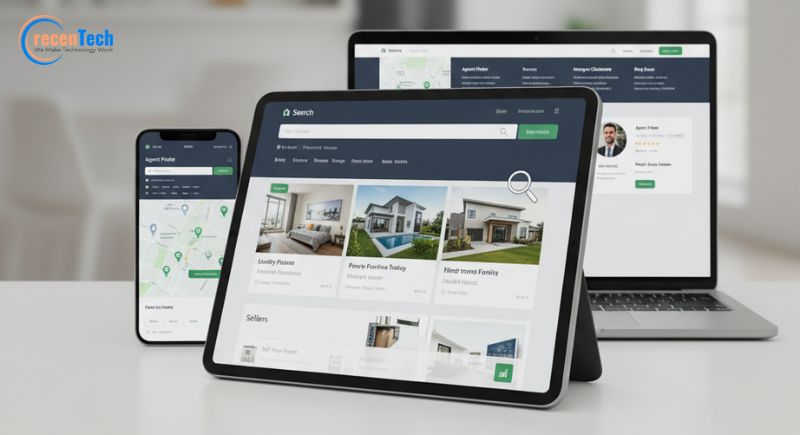
Through the use of features such as advanced search tools, professional media, responsive design, secure transactions, and transparent dashboards, you can create a platform that attracts visitors and dynamically converts them into repeat clients, without focusing on these features. These elements are not just the features a company might need to simply survive in such a fierce market; they are the foundation of its development and the basis for customers' trust.
A real estate website is not just an online presence; it is the platform where buyers search for their dream property and sellers seek the right customer base. People are more inclined to search for property online; this is why websites become the first impression, the sales tool, and the deal closer. To compete in this, you need more than just listings; you must create a website that includes features to create trust, save time, and drive action. In this article, we will delve into this topic in more detail.
Importance of Property Search and Filters
People who are looking to buy homes begin their journey online; therefore, the search function acts as the backbone of any real estate platform. If the real estate site offers detailed filters, such as price, location, property type, the number of bedrooms, and specific amenities, the purchaser will be able to choose the property that best meets their needs without wasting time, thus leaving them calm and at ease.
When a user instantly finds properties that match their lifestyle and budget, they are more likely to remain engaged, rather than shifting to a competitor’s site. For sellers, this means qualified buyers are discovering their listings without the frustration of irrelevant results.
1. Photos and Virtual Tours
In real estate, the selection of images can make or break a listing. Studies have shown that properties with professional photography get more attention than those with simple, blurry, and ordinary images. Clear, high-quality photographs establish credibility, while 360-degree tours and video walkthroughs provide buyers with the opportunity to explore a property without physically visiting. This level of detail for potential buyers builds trust and helps them imagine living there. On the other hand, for sellers, it brings more clicks, inquiries, and stronger leads.
2. Mobile-Friendly Design
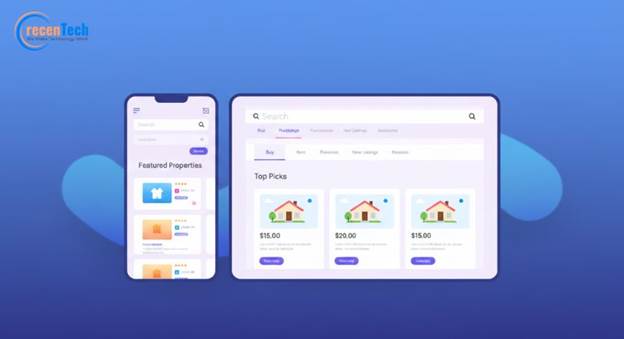
Property searches by interested buyers are mostly done on smartphones. If your website is not mobile-optimized, you are turning away more than half of your audience. A responsive design that loads quickly, adapts seamlessly to different screen sizes, and makes it easy to browse or contact an agent ensures that buyers can continue their search from anywhere, whether they are in an office, on a commute, or driving through a neighborhood. A website that performs smoothly on mobile devices enhances user engagement and helps sellers reach a broader audience of buyers.
3. Adding Maps and Location Insights
A property's value equally depends on its surroundings as it does on its own. That is why adding maps is an important and powerful tool. Potential buyers are more interested in knowing if the property they are looking for has access to nearby schools, hospitals, shopping centers, or transportation links. By adding interactive maps, you’ll provide them with enough details about the locality in which the property is situated, which will help them make an informed decision. When your website integrates maps that display local amenities, commute times, or even average neighborhood prices, it adds another layer of value. This not only helps buyers make informed decisions but also enhances the appeal of properties listed in desirable areas, giving sellers an added advantage.
4. Simplified Contact and Lead Capture Options
It is human psychology that when they feel uneasy about something, they tend to leave it. The same is true if you have very attractive listings on your website but fail to provide an effortless way to get connected; your listed property will stay there forever. Adding short and prominent contact forms and buttons, like "Schedule a viewing" or "Contact agent," helps them book visits and make a decision quickly. So much so, integrating a live chat option or WhatsApp will provide them with instant access to communication. By removing barriers and simplifying the process, websites increase the chances of converting browsing interest into serious inquiries.
5. Detailed Property Descriptions
Photographs indeed catch the eye, but words do the convincing. A strong property description outlines the key details such as size, layout, features, and condition of the home. Floor plans, renovation notes, or mentioning unique features like “corner plot” or “sea-facing” can set a property apart. Buyers love clear and honest descriptions because they reduce unnecessary site visits, while sellers benefit from listings that accurately and professionally present their property.
6. Including Testimonials and Social Proof
Trust is the deciding factor in real estate transactions. In this case, adding testimonials from past clients, success stories, and visible case studies helps new visitors get to know your platform and see that it delivers on its promises. Buyers make a stronger decision based on real experiences from others, while sellers are encouraged to list their properties because they see evidence of successful results. A designated section for reviews enhances credibility and fosters long-term confidence in your brand.
7. Secure Payment and Transaction Options
For websites that offer online deposits or booking fees, security is crucial. A website that ensures safe and transparent transactions protects users while establishing trust and professionalism. Including reliable payment gateways, encrypted systems, and transparent processes, both buyers and sellers can proceed with confidence. This type of security not only protects sensitive information but also accelerates deal closures.
8. Analytics and Dashboards for Sellers
Sellers and agents need tools that help them track how their listening is performing. In this case, dashboards that display property views, inquiries, and engagement with virtual tours provide them with valuable insights. With this information, sellers can adjust pricing, improve descriptions, or update images to attract more potential buyers. Transparency in performance reporting makes sellers feel in control and more willing to continue using the platform.
9. Benefits of Website Features
| Feature | Benefits for Buyers | Benefit for Sellers |
|---|---|---|
| Property Search & Filters | It saves time, easy to find relevant listings | Attracts serious, qualified buyers |
| Photos & Virtual Tours | Better property evaluation without visiting | More views and inquiries |
| Mobile-Friendly Design | Convenient browsing anywhere | Wider audience reach |
| Maps & Local Insights | Understanding neighborhood lifestyle | Highlights property value |
| Contact Options | Quick and easy to reach agents | Higher lead conversion |
| Descriptions | Clarity, fewer surprises | Build trust, reduces wasted inquiries |
| Testimonials | Reassurance from past clients | Enhances credibility and brand reputation |
| Secure Transactions | Safe payments and deposits | Build trust and faster deal closures |
| Seller Dashboards | N/A | Transparency and better decision-making |
Final Thoughts
A successful real estate website does not simply display property listings; it also provides valuable information and resources. Ultimately, the website guides users through the search process, establishes trust by incorporating relevant images and details, and facilitates effective communication. Moreover, it provides sellers with exposure, confidence, and insights.
Through the use of features such as advanced search tools, professional media, responsive design, secure transactions, and transparent dashboards, you can create a platform that attracts visitors and dynamically converts them into repeat clients, without focusing on these features. These elements are not just the features a company might need to simply survive in such a fierce market; they are the foundation of its development and the basis for customers' trust.