The reliability of any application depends on the powerful backend. Developers, corporates, and beginners are exploring these backend options to create reliable solutions. Consider both options, weigh down factors, and choose one that will support your development throughout its expansion and creativity.
The backend selection can affect the entire application development process. Everything from real-time data synchronization to user authentication is supported by the backend. It should be robust and scalable. The two leading backend-as-a-service platforms that developers rely on for speed and flexibility are Firebase and Supabase.
Selecting the appropriate backend can ensure seamless integrations, faster delivery, and a best performing product if you’re working with a team that offers app development services. It is important to find out core differences and how to choose the best option for your application.
Firebase as Your Backend
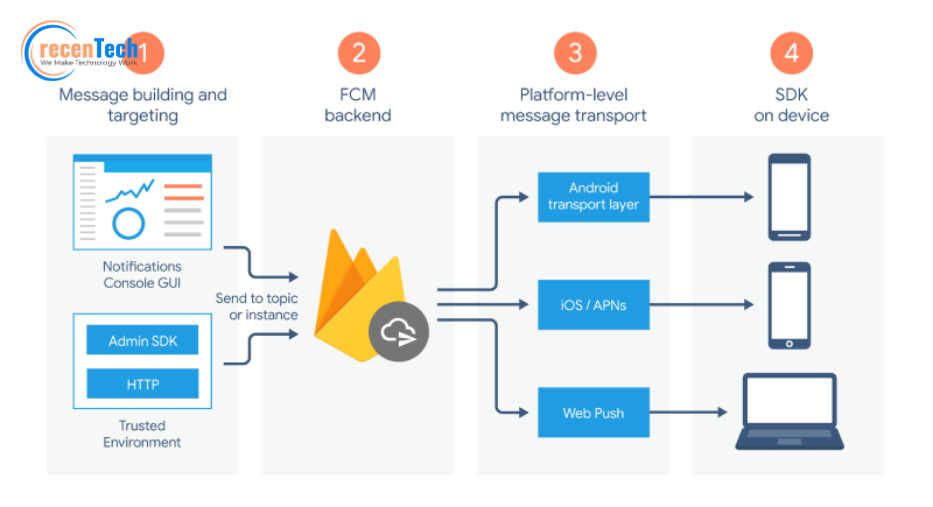
Google’s Firebase platform has long been a favorite among web and mobile app developers. It offers a full range of backend tools, including databases, analytics, hosting, and authentication. The real-time database of Firebase enables instant updates for all connected users.
Its serverless architecture is validated by developers. It eliminates the need for infrastructure management and requires less maintenance. For teams that offer mobile app development and prefer to focus on user experience instead of backend complexity.
Additionally, Firebase easily integrates with Google Cloud, providing access to analytics, AI, and push notifications. Firebase is dependable and strong. It gets expensive as your app grows or needs more specialized server logic.
Supabase
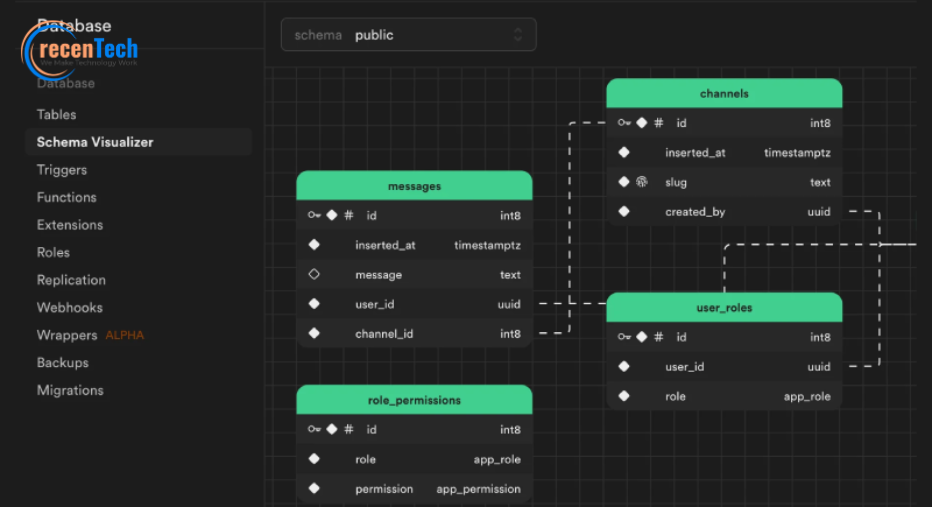
Supabase was created to provide more transparency and control to developers. It is an open-source substitute for Firebase. As compared to the NoSQL setup, Supabase is based on PostgreSQL. This database system provides an organized method that makes managing relational data simpler.
It has key features like storage, real-time subscriptions, APIs, and authentication. All these core aspects are flexible and open source. It is a great option for startups or businesses seeking greater customization without vendor lock-in.
Supabase gives teams offering Android development services the ability to create scalable backends while maintaining complete control. It is also good for projects that need flexibility and structured data handling because of its friendly interface and familiarity with SQL.
Firebase vs. Supabase: Features Comparison
Both platforms perform well in terms of real-time capabilities. Though the live queries powered by PostgreSQL are catching up, Firebase’s database and Firestore have been tried and tested for commercial use.
Firebase is well-designed in terms of usability. It provides an easy onboarding process, documentation, and integrated Google ecosystem. Comparatively, Supabase offers self-hosting capabilities and transparency, providing developers with autonomy over hosting and data security.
In terms of cost, Firebase’s pay-as-you-go plan can be costly for apps with high traffic. Similarly, the open-source model of Supabase makes it affordable over time.
Backend Made Simple with Firebase
If you want to launch quickly with little setup, Firebase is a great option. Their real-time updates can be relied upon by MVPs, products, and small to mid-sized apps. Firebase can save development time when creating social media platforms, chat apps, or simple e-commerce solutions. When speed and stability are important considerations, teams that specialize in app development services frequently select Firebase.
Ideal Use Cases for Supabase
Supabase is the way to go for developers who appreciate data control, scalability, and customization. It is a smart choice if you’re creating enterprise-level applications that call for complex queries and structured databases.
Additionally, if you want to host your backend on your own servers for more data security. Supabase is mostly chosen by companies that need complete insight into the backend functionality.

Which One Should be Picked?
The answer is dependent upon the objectives, scope, and technical preferences of your project. Firebase makes app development easier with its tested ecosystem. Supabase offers affordable solutions and transparency to developers. Start small and test a prototype if you’re not sure. It is a basic practice that is followed by every development team. Working with a reputable company that offers app development services can help startups or businesses make informed decisions. Professionals can help with goal analysis, scalability, and platform recommendations that best fit your long-term plan.
Final Words
Supabase and Firebase both have specific advantages. Supabase provides flexibility and control. Firebase offers speed and ease of use. The best backend is determined by how well it supports your business objectives and capabilities.
The reliability of any application depends on the powerful backend. Developers, corporates, and beginners are exploring these backend options to create reliable solutions. Consider both options, weigh down factors, and choose one that will support your development throughout its expansion and creativity.