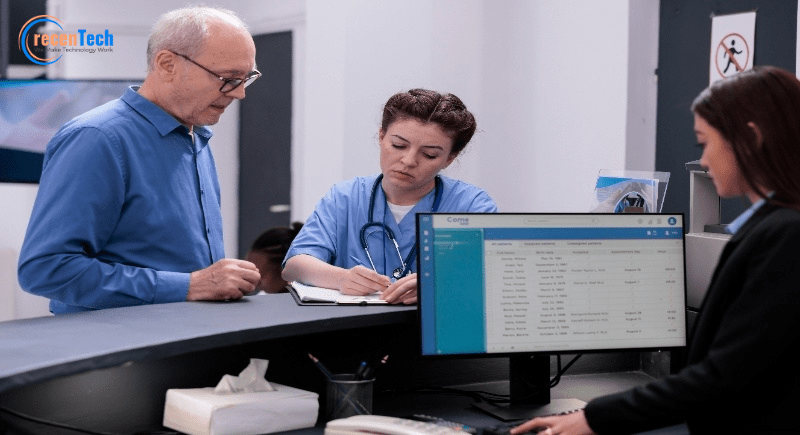
The healthcare sector is evolving with time. Custom patient portals ensure transparency and provide more control. Medical facilities facing challenges in patient management and record keeping should be part of this drastic change. Custom solutions are preferred for their accessibility and extended focus on patient experience. CrecenTech offers custom web development services, facilitating medical providers to grow and expand their network. We can develop a custom solution that aligns with your preferences and simplifies complex processes.
Meet Lisa, a middle-aged woman managing work, family, and chronic health conditions. She is tired of waiting on hold, driving to clinics, or chasing lab results by phone calls. Meanwhile, Dr. Kevin is overloaded with paperwork, phone calls, and outdated systems. Considering technological innovation, neither of them should have to struggle.
Custom patient portals are the next big thing happening in the healthcare sector. These digital solutions make patient care more transparent. When traditional systems become limited, custom portals help to improve care delivery and automate workflows.
The Immediate Change in Patient Expectations
Patients are no longer passive recipients of healthcare. They are active participants. Patients demand clarity, transparency, and a better experience. These core aspects are barely covered by outdated patient care systems due to limited features and flexibility.
A custom patient portal converts a healthcare website into a smart ecosystem that adapts to how patients engage with care. From automated reminders to health dashboards, every interaction feels intuitive. When healthcare providers value accessibility, patient satisfaction increases, and so does retention.
The Real Value of a Custom Patient Portal
Custom web development services are specifically designed to meet the intricacies of an industry. They resolve challenges that a traditional system cannot address.
Effective Communication
Healthcare providers had to manually manage patient communication, causing delays. A custom solution streamlines phone calls and lost voicemails. Providers can barely miss important messages, smartly organize follow-up, and create a flow of communication that saves time.
Personalized Care
Personalized care was a difficult thing to achieve until custom solutions entered the market. They provide personalized dashboards that can be adjusted to the specific needs of a healthcare system. A diabetic patient can see glucose tracking and meal plans. Similarly, a heart patient may view medication schedules and reminders. These features and many other custom solutions increase engagement and result in better health outcomes.
Integration with Core Systems
It is easy to integrate custom medical portals with existing ERPs and billing software. Data can be transferred automatically, ensuring providers always have accurate and updated records. Automated synchronization eliminates duplication, errors, and enhances work efficiency.
Brand Identity
Minor details can reflect the care philosophy of your brand. Patients feel more connected when they are treated with a professional online experience. Providers can customize the theme, interface, and features of a system to create their brand appearance.
Data-Driven Insights
Patient portals include analytics that can provide valuable insights, like how patients engage with content and their interaction with core features. This data appears to be a valuable source for providers to enhance patient experience and make informed decisions.
Scalability
It is a major challenge for medical providers considering the complexity of the industry. If they want to incorporate telehealth, AI-powered symptom checkers, or monitoring tools, a custom solution is the best. Scalability becomes an easy thing without the disruption of switching platforms.
How is a Custom Patient Portal Developed?
The process of developing a custom patient portal starts from scratch and continues until the product is available in the market.
Planning and Discovery Phase
Before a solution is developed, a team of industry experts and engineers arranges meetings to understand challenges and create a solution that fixes them. What problems are you solving? What are the primary challenges for patients? In this phase, teams map user journeys, define essential features, and analyze technical requirements.
UI Design and Prototyping
Web designers create intuitive and responsive interfaces. Each button, section, and interaction is analyzed to ensure a seamless user experience, as patients of all ages will be using it.
Development and Deployment
Software engineers design the backend architecture, and programmers write the code to create a powerful system. Custom applications are then integrated with core systems to make them fully functional.
Product Testing and Launch
Since the product is developed with a goal and problem statement, it undergoes rigorous testing across different user scenarios before the official launch. Pilot runs ensure that everything works fine across all devices and platforms.
Timely Updates
Every custom solution needs to be updated regularly to align with analytics and feedback. It isn’t a static solution. It should evolve alongside technology and user expectations.
Core Features of a Custom Patient Portal
A well-structured system is a care companion that connects patients and providers.
Access to Health Records
Patients can securely check their medical history, prescriptions, and lab reports without visiting the facility.
Encrypted Messaging
A built-in communication system allows patients to message their doctors or support teams directly. This keeps conversations private and compliant.
Smart Appointment Management
Integrated scheduling tools allow users to book, reschedule, or cancel appointments easily.
Easy Billing and Payments
Patients can view detailed invoices, track insurance claims, and make secure payments.
Personalized Dashboards
Each user accesses relevant information, from upcoming visits and medication schedules to wellness insights.
These features result in a system that is highly interactive, improves communication, and promotes long-term trust between patients and medical providers.
Real-World Impact of Custom Solutions
Every level of care is improved in measurable ways by healthcare providers who invest in personalized patient portals. By providing more transparency and accessibility, these customized systems improve patient engagement, which raises satisfaction and trust. Self-service tools and automated reminders drastically cut down on administrative duties, allowing staff to concentrate on providing care.
Better results from patients feeling more empowered to take charge of their health as they have easier access to their medical records and individualized support. All things considered, a smooth digital experience increases brand loyalty and aids healthcare facilities in creating enduring bonds based on dependability and cutting-edge care delivery.
Final Words
The healthcare sector is evolving with time. Custom patient portals ensure transparency and provide more control. Medical facilities facing challenges in patient management and record keeping should be part of this drastic change. Custom solutions are preferred for their accessibility and extended focus on patient experience. CrecenTech offers custom web development services, facilitating medical providers to grow and expand their network. We can develop a custom solution that aligns with your preferences and simplifies complex processes.