Switching to Vibe Coding is not just about getting new tools. It is about adopting a smarter, more thoughtful way to build software. The key lesson is that speed without stability leads to problems, wasted money, and lost trust. Used wisely, AI can deliver both speed and reliability. Looking ahead to 2026 and beyond, teams that combine human insight, creativity, and smart AI will stand out and keep delivering great products. They’ll do it with confidence and creativity, not stress and late nights. It’s time to move beyond just writing code and start building software that truly lasts.
Do you remember making software? It felt like walking on eggshells. Every bit of code, every new thing you put out, could blow up. One wrong step, and everything went down. Your weekend, your sleep, maybe even your job. We’ve all been there, squinting at code at 3 AM, thinking a tiny mistake would crash everything. That bad feeling in your stomach, the "what if" playing over and over. That was just how it went in tech.
But what if there was another way? A way to build fast, try new things quicker, and put stuff out there, feeling good about it. There is no constant fear of big problems. That’s Vibe Coding. It's not some magic fix or a new trendy word. It’s a real, AI-powered way to make software. It changes how teams work. It helps you build good software, not just fast, but right?
If you’re tired of fixing bugs all night and want to build things that last, with fewer surprises and headaches, then CrecenTech can help. See how we're changing software building to make it easier for you.
"Move Fast and Break Things" Was a Bad Idea: The Real Cost
Startups once pushed the idea: "Move fast and break things." It sounded cool, even a bit rebellious. The whole idea was to get new products out the door fast, launch them right away. And for some early companies, yes, that method truly worked. But here's the kicker: for most, it just became a giant headache. It became this never-ending loop of building, then fixing, then building again. That constant churn ate up tons of cash and totally burned out the teams doing the work.
Think about what really happens when you "break things." It’s not just code errors; you lose customer trust. Every bug or outage makes people less confident in your product. It also wears down your team. They spend hours fixing old issues when they can build new features. All those quick fixes and shortcuts pile up, quietly draining your time, money, server space, and support staff. It’s like buying a house that turns into a "money pit", always needing repairs and never truly fixed. Constantly rushing to solve problems keeps you from creating anything new or planning, making big projects feel like endless chores.
We were told this mess was just how it worked, the price of making new things. But honestly, that’s old thinking. It’s from a time when we didn't have better ways. We need to question the idea that you can't be fast and stable. We need to see that "breaking things" isn't something to be proud of. It means your process is broken. Today's tools and methods show a clear way to build both quickly and strongly.
What is Vibe Coding? It's More Than Just a Name.
So, what is Vibe Coding exactly? It won't solve all your problems overnight. And it's not just another tech fad. Instead, it’s a smart way to develop software that uses advanced AI tools. This makes coding smoother, more effective, and most importantly, stable.
It’s about getting the "feel" of the code right. It means the code doesn't just run; it runs right. All the time. No weird glitches out of nowhere.
The goal is to spot issues long before they even show up. You know, like how a good mechanic listens to an engine; they can pick up a small rattle and just know something's about to go. They get the engine's "feel."
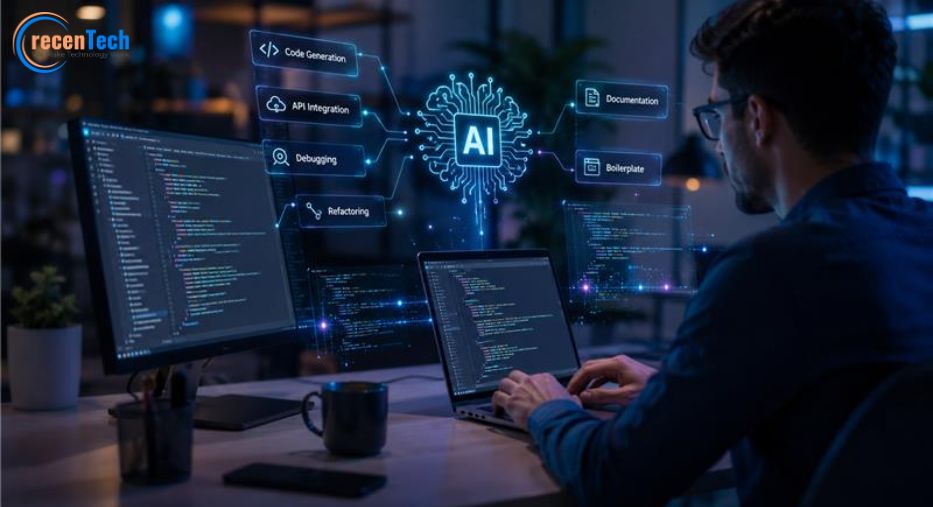
Basically, Vibe Coding means using AI to guide your building process. This guidance isn't just for typos. It finds small mistakes, suggests better ways to build things, makes sure rules are followed, and can even write a lot of the basic code for you. All this happens while keeping a consistent "vibe" or quality level across your whole project.
It’s like having a super smart, tireless senior developer constantly looking at your work. Not to tell you off, but to make it better. This AI helper learns how your project works, what your team likes, and even your own style. This helps feel natural. It frees human developers from remembering every little detail and rule, so they can focus on the truly creative and harder parts.
The Main Ideas of Vibe Coding: How We Build Software Now
Vibe Coding isn't just a vague idea; it's built on clear rules that change how we develop software:
- Fix Problems Early: This is a big one. Instead of waiting for tests to fail, or worse, for bugs to show up when customers use the product, AI finds possible problems right away, as you write the code. It's about stopping problems before they happen.
- Keep Things Consistent: Software projects often get messy because different people use different styles, or the way things are built changes. AI helps make sure everything is the same, making the code cleaner and easier to work with.
- AI Helps You Create, Doesn't Replace You: AI handles the boring stuff—the repetitive tasks that often lead to mistakes. It’s not about taking jobs. It’s about letting human developers use their unique ideas and skills for the hard parts, like complex logic or new features.
- Less Thinking Work: Developers spend less time trying to remember exact code rules or checking for small errors. This leaves more brainpower for big-picture thinking, understanding what users really need, and solving hard problems.
- Build Fast, Build Good: This used to seem impossible. How can you get faster and make things better? By stopping the "breaking things" part. When AI prevents many errors early on, the whole building process becomes smoother, quicker, and more dependable.
Your AI Co-Pilot: A New Friend for Coders
Let's be very clear about one thing. Vibe Coding is not about AI taking over jobs from developers. Anyone who says that is selling fantasy. It’s about AI helping developers. It makes them much better, faster, and weigh less likely to make those annoying, easy-to-prevent mistakes that waste so much time.
Think of AI as your smart co-pilot in a plane. It can handle the flight plan, watch all the instruments, suggest the best routes, and even deal with small issues. But you, the human pilot, are still in charge. You make big choices, set the final direction, and keep an eye on everything.
This is much more than just filling in words for you. We're talking about smart AI tools that understand what you're doing. They learn from tons of code and can even guess what you mean to build. These tools have been trained in billions of lines of code. They learn how things usually work, what's best, and what goes wrong. They don't just match patterns. They are smart helpers that make human thinking stronger.
How AI Makes Your Code Better: Real Examples
Let's look at how AI actually fits into Vibe Coding. It turns potential problems into smooth progress:
- Smart Code Suggestions: This is way beyond simple autofill. Modern AI tools can suggest whole blocks of code, complex functions, or even entire class structures. It does this based on what you're doing now, the code you already have, and common ways to build things. It teaches your team's style, what libraries you use, and how you set up your projects. This makes suggestions feel like real help from an expert, not just generic ideas. It’s like someone looking over your shoulder and saying, "For what you're trying to do here, maybe try this?"
- Example: You start to write something for the database. The AI guesses you want user data. It suggests the right way to get it, using details from your database setup. This means fewer typos and helps you follow your company's rules. It saves a lot of time on normal tasks.
- Find Bugs as You Type: This is a huge benefit from AI. It doesn’t wait for your code to compile, or for your tests to run, or worst of all, for a customer to report a bug. As you write, AI tools check your code. They look for typos, mistakes in logic, hidden security holes, and things that might make your code slow. It’s like having a super smart checker that understands what your code will do, not just if it looks right.
- This catches problems when they are the easiest and cheapest to fix right away. Example: You're writing code that runs at the same time as other codes. The AI points out a possible problem that a person might easily miss. It suggests ways to fix it before you even finish writing the function. Or it spots a risk of a part of your code crashing if something is missing, before you ever test it.
- Cleans and Improves Your Code Automatically: Every coder has looked at a big, messy piece of code and knows it needs to be broken down and simplified. But they hated the thought of doing it by hand. AI can look at that code, find places to make it better, suggest changes based on good practices, and even make those changes for you. It can make code faster, use less memory, or be easier to read. Often, you just give a simple command. This stops "technical debt"; those quick, messy fixes, from becoming a huge problem.
Example: The AI sees a part of your code with many if/else statements that could be clearer. It suggests a simpler, more elegant way to write it. Then, it creates new parts of the code and changes your old code to use them. This saves hours of boring work.
- Writes Documentation for You: Let's be honest: writing notes about your code is often a chore. It gets put off and is rarely kept up to date. This leads to "documentation debt." AI can automatically write comments for your functions, fill in details for your API documents, and even make summaries of your project's structure. And importantly, as your code changes, the AI can help keep these notes current. This means new team members, or even you in the future, will have good information about the system.
Example: After you finish a new part of the program, the AI automatically writes clear notes for each function. It explains what they do, what they need, and what they give back. Then it asks you to check if it's right. This saves a lot of time.
- Creates Tests for Your Code: Writing all the tests—unit tests, integration tests—is really important for good, reliable code. But it can take a lot of time and be boring. AI can look at your code, figure out what it does, and see all the different situations it might face. Then it can suggest, or even write, strong test cases. This makes sure more of your code is checked and leads to fewer problems later. It helps you build a safety net without using up all your team's energy.
- Example: You just built a new, complex feature. The AI looks at the code and suggests a set of tests. These tests cover normal inputs, tricky situations (like empty lists), and error cases. This helps you test your code much faster.
- Helps Review Code: Code reviews are key to quality and for sharing knowledge. But they can also slow things down. AI can do a very efficient first check. It finds common problems, style mistakes, possible bugs, and even suggests improvements. It does all this before a human reviewer even sees the code. This means human reviewers can use their time for bigger things, like how the whole system is built and how different parts work together, instead of small details.
- Example: Before you send your code for review, an AI helper quickly checks it. It points out several places you could make it better, like naming variables better, small security issues, or things that could make it run faster. This helps you send in cleaner code.
Build Fast, Save Money, and Feel Better: The Real Benefits
Vibe Coding isn't just about finishing projects quickly. It’s about building them smarter and in a way that lasts. It means cutting down the total cost of having software, from the first line of code to keeping it running for years. When you break fewer things, you naturally spend less money and time fixing them. This isn't just a nice idea; it's a simple, powerful way to save money. And yet, many companies have found it hard to do consistently.
Think about how this helps in many ways:
- Fewer Bugs for Customers: This is a big, clear benefit. Fewer bugs mean happier customers. It means fewer calls to support and a better name for your product. Your operations team spends less time fixing emergencies and more time making things better for the long run.
- Lower Costs for Building: Less time spent fixing bugs, less work redone because of simple mistakes, and better use of your developers' time. This directly helps your budget. It stops that quiet, "wallet-draining" effect of endless bug fixes. Your money goes into building new things, not fixing old ones.
- Quicker to Market: With AI handling much of the repetitive, easy-to-mess-up work, your development team can focus on what's truly new. This means getting new features, updates, and whole new products to customers much faster. This gives your business an important edge over others
- Happier Developers, Who Stay Longer: Let's be honest: nothing kills the fun of coding like always fighting bugs, dealing with broken builds, or trying to understand messy code. When AI tools help developers write better code with less hassle, everyone on the team is happier, works better, and is less likely to get burnt out. It’s like changing your old, rusty tools for new, powerful ones; the job is not just easier but more enjoyable.
- Better Code for a Long Time: A key result of Vibe Coding is code that is more consistent, well-built, well-tested, and easy to understand. This makes it much easier to keep working on it for years. Future developers, whether they're new to your team, or you're looking back at old code, will find it easier to start, add to, and fix the system. This stops your code from becoming a "money pit" that makes all future work impossible.
Humans Are Still in Charge: The Conductor of the Orchestra
It's super important to know that Vibe Coding, even with all its AI, is still all about people. AI is an amazing tool, a great performer, but the human developer is still the conductor, leading the whole show. The special skills of the human brain are still totally needed for the important, non-tech parts of making software:
- Understanding What Users Need and How They Feel: AI can look at data, but it can't truly understand what people need, how they feel, or guess what they want without saying it. That human ability to connect and understand is irreplaceable.
- Big Picture Ideas and Business Sense: Deciding what to build, why to build it, and how it fits with the product goals, market plans, and business needs still requires human foresight, intuition, and smart thinking. AI can find good paths, but humans decide where to go.
- Solving Hard Problems and Abstract Thinking: While AI can suggest answers, truly new, very complex challenges, or problems that need abstract thinking and completely new ideas still need human creativity and experience.
- Doing the Right Thing and Being Responsible: Making sure the software is fair, unbiased, responsible, and follows ethical rules is a human job. AI cannot make these moral decisions. Humans must set and keep these important boundaries.
- Creativity and New Ideas: While AI can mix and match existing ideas, truly new discoveries, amazing creative solutions, and the first spark of a completely new idea comes from the human mind. It’s about making things that didn't exist before, not just making old things better or copying them.
So, a developer's job doesn't shrink; it shifts. They move from just typing code and fixing small errors to becoming a top-level architect, a sharp problem-solver, and a creative designer. They use AI to make their work much stronger. They spend less time on boring stuff and more time on important things, pushing the limits of what's possible. They focus on what only humans can bring to making software.
How to Start Vibe Coding: Take it One Step at a Time
So, how do you start using Vibe Coding in your work without turning everything upside down? It’s not like flipping a switch. It’s a slow, careful process, like slowly buying better tools for your home workshop, seeing how each new one helps.
- Start Small, Try Things: Don't try to use every AI tool and method at once. That will just be too much. Instead, pick one area where your team has the most trouble, maybe code suggestions, or lots of small bugs, or not enough notes about the code. Use just one or two good AI tools for that specific problem. Watch how it works, get feedback, and make small changes.
- Teach Your Team, Don't Just Install Tools: AI help can feel strange, or even like a threat, at first. Give good training and help to your team. Help them really understand how these tools work, what they can't do, and most importantly, how they can make their work better, instead of taking over their main job. Create a place where people feel good about learning and trying new things.
- Pick the Right Tools for Your System: The world of AI for developers is growing fast. Look for tools that work well with the programs you already use (like your code editor), your specific tech (languages, frameworks), and how you already work. Tools like GitHub Copilot, Tabnine, and smart code-checking tools are popular. It’s important that they fit in easily.
- Know Your "Vibe" Clearly: Before AI can help keep things consistent, you need to decide what "consistent" means. Set clear rules for coding, how you build things, how you name things, and what quality means. Make sure everyone on your team understands and agrees with these rules. These clear rules will be the guide for your AI helpers. They will make sure the AI helps you keep your desired quality "vibe."
- Keep Changing, Checking, and Making Better: Just like everything else in software, your Vibe Coding process shouldn't stay the same forever. Always check if it's working well, look at numbers (like fewer bugs, time saved, code quality scores), and make it better. What works great today might need changes as your team grows, your tech changes, or new AI tools come out. It's a process that keeps moving.
The Future of Building: Smooth, Not Stressful
The time of "move fast and break things" is ending. The future of building software isn't just about moving fast; it’s about moving fast and building brilliantly. It’s about using the amazing power of AI to make code that doesn't just work, but is strong, easy to maintain, safe, and pleasant to work with.
Vibe Coding isn't just a way to work or a bunch of tools. It's a big change in how we think. It shows a commitment to quality, efficiency, and a way of developing that is better for humans. This helps everyone: the people who make the software, the companies that use it, and especially the customers whose lives are impacted by what we build. It’s about creating something solid and lasting, not some wobbly tower that could collapse at any second.
Are you tired of the never-ending coding grind, the constant debugging, and the fear of breaking important systems? CrecenTech is here to help you use the power of AI to make your development process better. We offer clear, useful solutions that fit right into how you already work. This lets your team build faster, stronger, and make more dependable, high-quality software with real confidence.
Conclusion: A New Start for Building
Switching to Vibe Coding is not just about getting new tools. It is about adopting a smarter, more thoughtful way to build software. The key lesson is that speed without stability leads to problems, wasted money, and lost trust. Used wisely, AI can deliver both speed and reliability. Looking ahead to 2026 and beyond, teams that combine human insight, creativity, and smart AI will stand out and keep delivering great products. They’ll do it with confidence and creativity, not stress and late nights. It’s time to move beyond just writing code and start building software that truly lasts.