Landing pages are essential for any marketing plan. They capture visitors’ attention and guide them to CTA. By focusing on clarity, testimonials, and the strategic use of keywords, you can design great landing pages. Do not forget to keep them simple. Let your visuals and calls to action stand out. Also, track the user data and refine it over time.
A Practical Guide to Designing High-Converting Landing Pages That Drive Leads and Boost ROI
Did you know? Landing pages work like virtual gateways for your business. When visitors arrive, they have one foot in the door. With the right layout, you can guide them to buy or take another step. The aim is to increase conversions. In simpler terms, we want visitors to complete a desired action. That can be a sign-up, a purchase, or a download. In this guide, we cover everything from the basic layout to advanced features. By the end of this guide, you should feel equipped to create the best landing pages for your company or clients.
In today’s digital era, a single landing page can transform casual clicks into loyal buyers or sales. According to the latest study by Unbounce in 2025, a number of top brands see a 6% to 9% average conversion rate, while a few go above 10%. Those high performers follow specific strategies and fine-tune their on-page elements.
Read further to explore the step-by-step method. Anyone who reads this should walk away with a clear path to success.
Let’s start.
What Is a Landing Page?
A landing page is a standalone webpage created for one main goal. That focused goal is to gather emails, sell a specific product, or prompt a sign-up. This page has no distracting links or off-topic content. It is a straightforward page for any visitor. When visitors land on it, they see a clear offer and can act without any confusion.
Landing pages are often associated with advertisements. You click a targeted ad and arrive at a page designed to reflect that ad’s theme. The central idea behind this design is to facilitate a quick response. These pages usually belong to a single button or form. The whole layout nudges a person in that direction. That is why they are important for marketing. They generate leads or sales in a targeted manner.
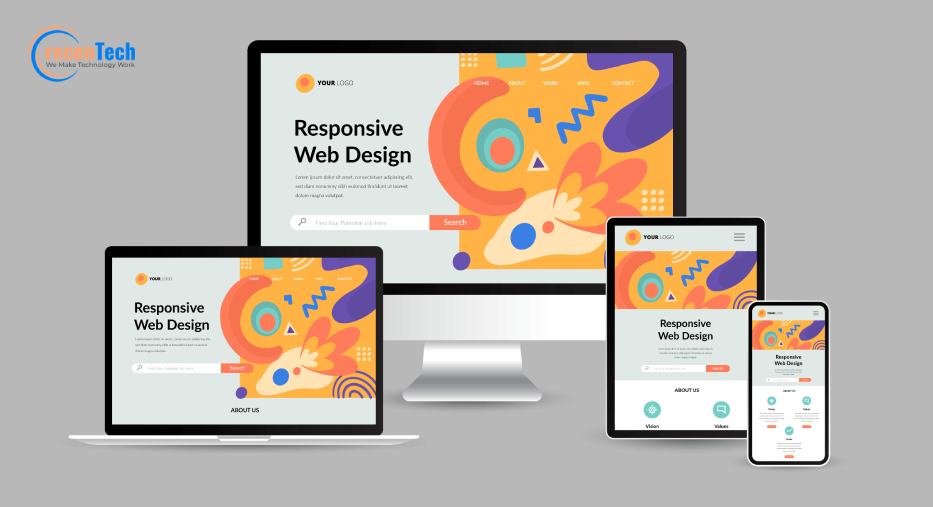
Why Are Landing Pages Important?
Many people wonder, what makes a good landing page so crucial for digital growth? It all boils down to conversions. When you funnel potential buyers from ads or search results to a regular homepage, they can get sidetracked. They might click random links or lose interest. A landing page, on the other hand, keeps them on one path. This helps you collect leads or sales efficiently.
- Focused Messaging: A standard homepage might have details about multiple products. A landing page has one central message.
- Higher Conversion Rates: Because the message is clear, people are more likely to complete the intended step.
- Easier to Track: You can measure performance, run tests, and see results fast.
- Better Ad Relevance: Search engines rank you higher if your page matches your ad text. That alignment also helps you with your ad quality score.
It is wise to invest time in building the best landing pages. When done correctly, they pay off. They become a direct line between your brand and potential customers.
Key Elements of a Good Landing Page
A good landing page has several key parts. Each part plays an essential role in guiding visitors toward the end goal. Below are the main parts of a well-designed landing page.
1. Headline
This is the first text visitors see. It must be short and clear, and it must target the most significant pain point or desire of the visitor.
For Example: “Get Direct Access to Our Exclusive E-book”
In fact, this type of headline sparks curiosity.
2. Sub headline
This is a smaller line of text below the main heading. It offers a bit more detail.
For Example: “Unlock proven strategies to boost sales by 80% this year.”
3. Hero Image or Video
In this digital world, people respond to visuals. Set an image or small clip that speaks about your offer or product. Smart Tip for Smart People
If you have a specific product, then highlight it in action. If you offer a service, use friendly images of real people.
4. Call-to-Action (CTA)
CTA is the heart of your webpage. It is the button or link that runs the main action. Best Practices
Use bright color contrast, large text, and short messages just like “Sign Up Now” or “Start Your Free Trial”.
5. Benefits and Features
Show your visitors what they gain. Use short bullet points for clarity. Make sure that each bullet point focuses on a specific advantage. For Example: “Save time with automated planning” or “Keep costs low with our flexible plans.”
6. Social Proof
Social Proof can be testimonials or trust badges. If you have social proof, new visitors feel less risk. According to Nielsen, 92% of buyers trust peer reviews more than just advertisements.
7. Simple Form (If Lead Generation Is the Goal)
Some digital marketers add too many fields. That can scare many visitors away. That’s why you should collect only the essential data.
8. Clean Layout
A small layout with large blocks of content can push people away. Keep it neat. Use whitespace around elements and make it clear.
9. Mobile-Friendly
Design According to the latest study by Statista, 60% to 62% of landing page visits come from smartphones. A mobile-first design is not optional. It is a requirement for any site or app if they want a good user experience and to stay ahead of the search competition.
Each part above helps you shape your great landing pages that speak directly to visitors. If one element is missing, conversions can suffer.
How to Plan Your Landing Page
Before writing a single line of copy, first plan well. Early planning helps you form a solid structure. Here is a simple framework for your understanding.
1. Define Your Goal Is it sign-up?
Is it a direct sale? Or is it a download? First, write it down.
2. Identify Your Audience
3. Write a Core Message
Sum up all main goals in just one or two lines. This short phrase helps you with your headline and subheadings.
4. Select the Visuals Carefully
Before selecting Visual, first decide what you need. A main photo or a short clip. But keep it relevant. For Example: If you are offering a home repair service, then consider a picture of a happy homeowner with good reviews.
5. Create a Simple Outline
- Headline
- Sub headline
- Bullet List of Benefits
- Visual(s)
- CTA
- Trust Elements (Reviews)
6. Consider SEO
Use your own selected keywords in the main headline, subheadings, and body text. Keep it most relevant, helpful, and well-structured.
Planning is half the battle. Once done, you have a roadmap.
Step-by-Step Designing a Landing Page
Wireframing
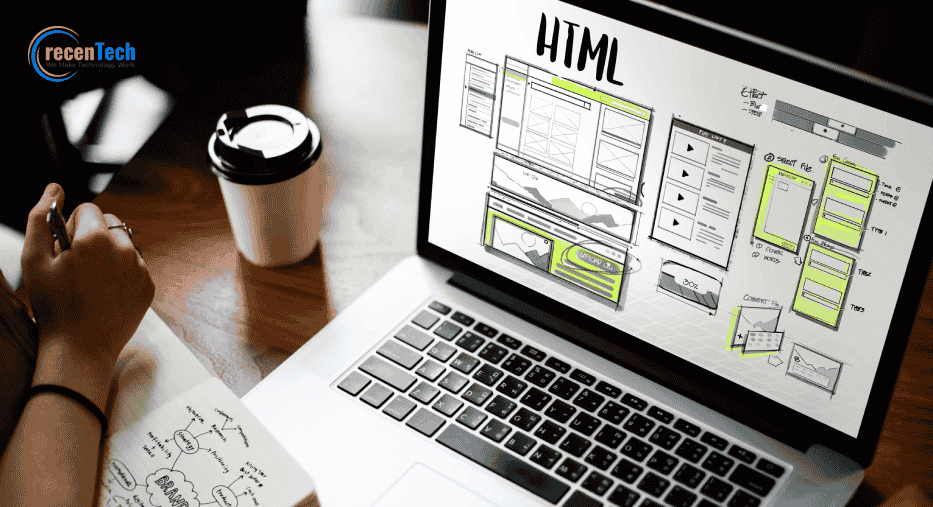
A wireframe is a drawing. Mark the headline area, subheadings, photo, and form. You could use software like Balsamiq or a notebook. The main goal is to figure out the final layout. Some people prefer a plain centered design with the CTA in the middle. Others set images on the left and content on the right side. Make sure the user's eyes move in a natural path.
Choose a Decent Color Scheme
Colors stimulate feelings. Red creates a sense of urgency. Blue draws trust. Green spreads peacefulness. Think about which feeling you want your webpage to deliver. Ensure that your CTA is accessible as well. If the color of your webpage's background is white, let the color of your button be something bright. Do not let your action button go unnoticed.
Placing the Main Headline
Place your title heading at the top. Make it large enough to grab the visitor’s attention. Always ensure that it is concise and to the point.
For Example: “Get Better Workout Results Just in 7 Days”
In this line, the value is apparent. Shows rapid progress within a short span.
Adding Visual Appeal
Images or short videos can grab any visitor’s eye. If a user sees something relevant to them, they often read on. Sometimes, a brief clip might also work.
Build Trust with Testimonials
If you have client reviews, display them on your landing webpage. Also, include a photo of the reviewer, if possible, as it feels more credible. People trust real names and faces. Here is a Sample Testimonial for your understanding:
“MY SALES TRIPLED AFTER USING THIS SOFTWARE FOR A MONTH. IT IS A GAME-CHANGER.”— ALEX G., SMALL BUSINESS OWNER
Structuring the Form or CTA
Visitors need a clear way to act. If you have a sign-up form, keep it minimal. If you have a purchase button, make it prominent. Professional Tip: For lead generation, limit your form to two or three fields at most. If you need more information, you can collect it later.
Create a Closing Statement
On some pages, a final summary or statement is placed near the bottom/Footer. That last note often encourages hesitant buyers to act. For example, “Ready to see fast results? Get started now.” This can be near a repeated CTA button.
Mobile-Focused Layout
In 2025, many people like to browse on their smartphones. Check that your layout is compatible with any type of screen. Ensure that all big images shrink well on any device. Make sure the CTA is still visible without heavy scrolling.
When you follow these smart steps, you set the stage for a high converting landing page. Designed with both art and science. A clean look with clear text is more appropriate. After designing, the next phase is development and testing.
Developing and Testing
Code or Use a Web Builder
Some people use page builders such as Elementor, Leadpages, or Unbounce. Others prefer a custom code base. If you have limited technical skills, builders are more straightforward. You can easily drag, drop, and customize without any kind of advanced coding. If you want total control, then coding from scratch can give you that. Anyhow, always keep the code lean. This makes pages load fast.
Speed Matters
According to the latest 2025 survey by Google, a bounce rate increases by 32% if your page load time goes from one second to three seconds. People will leave fast if your page is slow. Make sure that all images are compressed well and in the latest extension such as WebP, AVIF. Use caching. Pick fast hosting. Because every second counts.
Testing Across Different Devices
Check the page on different browsers and look at it on various kinds of smartphones and tablets. If not appropriately tested, some elements may appear broken.
A/B Testing (Split Testing)
A/B or Split testing compares two variations of the same page. For example, test a green button vs a red button. Or test a short headline vs a longer one. Some tools, like Google Optimize or Optimizely, can run these tests for you. Keep track of metrics. After testing, a winning version can then become your main landing page. Over time, these few improvements can increase your conversion rate.
Check Clarity
For clarity, ask your friends or colleagues to review your webpage. Does the page’s goal stand out? Is the text easy to digest? Because a fresh set of eyes can spot issues easily that you missed.
This development and testing process is a cycle. Launch, measure, refine, and repeat. That is how you get a page that genuinely does well. This journey never ends because user behavior changes over time.
Landing Page Optimization Best Practices
Now you have the knowledge of how to build, let’s explore some best practices for optimizing landing pages. Below are some expert tips that can boost performance.
1. Use Urgency or Scarcity (If Applicable)
Words like “Last Chance,” “Limited Seats,” or “Offer Ends Soon” can prompt quicker actions.
2. Keep It Simple Avoid big blocks of text.
Use bullet points for benefits. Large blocks can lose readers.
3. Leverage Analytics
Integrate tools like Google Analytics or Bing Webmaster Tools. Track user behavior. Where do they click? Where do they abandon?
4. Highlight Unique Value
If you offer free shipping or extra bonuses, showcase it. Let that special value stand out. People want to know why they should pick you.
5. Maintain Brand Consistency
Match your landing page style to your ads. This helps visitors feel they are in the right place. Consistency matters for trust.
6. Avoid Distractions
Remove extra menu links, unnecessary pop-ups, or random images. Make the page friction-free.
7. Retarget Visitors
Some folks will leave without converting. Use retargeting ads to bring them back. Show them the same offer or a special discount later.
Every improvement might seem small, but combined, they lead you to greater success. Step by step, your page transforms into the best landing page.
How Landing Pages Affect Ad Conversion Rate
Many companies pour funds into ads. However, if those ads are directed to a generic site, the conversion rate might be very low. That’s why people want a solid message from the ad to the page.
Let’s see how landing pages affect ad conversion rates.
1. Message Match
If your advertisement promises “50% off,” the landing page headline should confirm that. Always keep your text consistent. This synergy improves results. In fact, a study by WordStream shows that aligned ad-to-page messaging can improve conversion rates by up to 39%.
2. Targeted Keywords
Search engines continuously look for relevancy. When your page naturally repeats the ad keywords, you get a better-quality score. This can lower your cost-per-click. For Example: If your ad references “Fast car repair in NY,” your landing page should also mention that.
3. Less Distraction
Ads cost money each time they are clicked. If visitors cannot find what they need, they will bail. A streamlined landing page captures the momentum from the ad.
4. Better Ad Rank
Google and Bing reward relevancy. If your landing page lines up with your ad text, your ad rank can go to the next level. That often means you pay less for each click.
Investing in great landing pages is key to success. It can turn a tricky ad campaign into a cost-effective winner. This interaction between ads and pages leads to steady growth.
Use Analytics to Boost Performance
Analytics helps you to discover the pain points and lead to successes. You can see which parts of your page attract more clicks and which lead to bounces.
Here are some main ways to use data well.
1. Track Sessions and Bounce Rate
If many visitors bounce, your page might be confusing or slow. Source: Google Analytics or Bing Webmaster Tools.
2. Study Heatmaps
Tools like Bing Clarity and Hotjar show where users click or scroll. This can help you place your CTA in the ideal spot.
3. Measure Conversion Rate
Focus on the number of completed goals (sales, sign-ups, etc.) divided by total visits. Aim for a steady improvement each month.
4. Observe User Flow
Frequently check how users move after they arrive. Do they complete the form or click away? Identify where they drop off.
5. Test Different Headlines
If your first headline returns a low conversion, try a new one. Let data guide you with your decisions.
Keep in mind that data is your guide. It can pinpoint what holds people back. Then, you can fix issues and watch the conversion rate rise.
How to Build a Listing Landing Page on the InCom Website
If you are in real estate or a similar industry, you might need a listing page. People mostly ask how to build a listing landing page on InCom website.
Below is a basic outline for your reference.
- Log in and Navigate to Landing Pages
- Pick a Template
- Add Property Details
- Insert Contact Form
- Link to a Virtual Tour (If Available)
- Optimize for SEO
- Publish and Share
A listing landing page focuses on one property or one kind of property. This allows you to highlight the best features of the property. By doing the above-mentioned seven steps, you create the top landing pages for your real estate leads.
Real-World Examples of Highest-Converting Landing Pages of All Time
Some big brands have earned fame for their highest converting landing pages of all time. Because they use clever headlines, trust signals (like reviews or testimonials), and engaging designs.
Here are some examples.
- Dropbox’s Early Home Page
- Basecamp’s “Project Management” Page
- Shopify’s Free Trial Page
- CrecenTech Systems Home Page
- Crazy Egg’s Heatmap Demo Page
These webpages focused on clarity, user needs, and strong CTA. That is the key. They did
not overload visitors and made each second count. If you want expert digital solutions, remember Crecentech Systems. They have a proven track record in building and launching top landing pages for various industries.
Put It All Together
Let’s blend all these ideas into a simple formula. If you want to create the best landing page, follow these core steps.
- Plan Wisely
- Design with Clarity
- Develop and Launch
- Analyze the Results
- Run Experiments
- Stay Up to Date
Let's Wrap Up
Landing pages are essential for any marketing plan. They capture visitors’ attention and guide them to CTA. By focusing on clarity, testimonials, and the strategic use of keywords, you can design great landing pages. Do not forget to keep them simple. Let your visuals and calls to action stand out. Also, track the user data and refine it over time.
Ads and landing pages go hand in hand. A strong page can lift your conversion rate and lower your ad costs. It also fosters brand trust. People remember a smooth, intuitive experience. If you want help with developing or optimizing your pages, consider Crecentech Systems for support. They have the know-how to shape the best landing pages that suit your brand. Remember that landing page success is a journey, not a single step. Keep learning, testing,