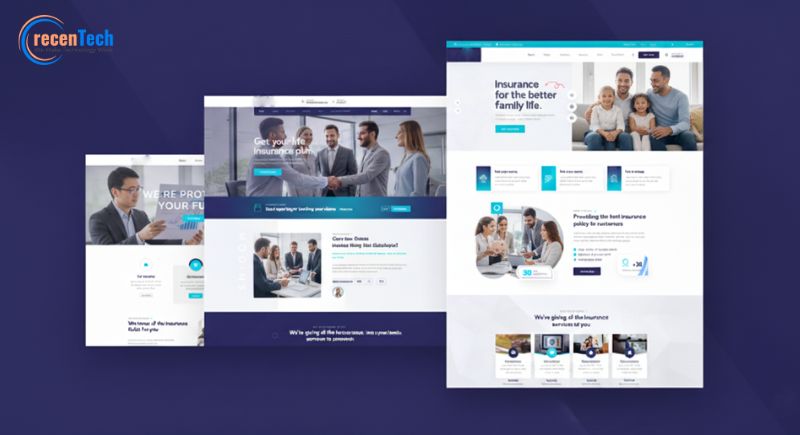
The future of traditional finance is fintech. The insurance sector is also not behind in the adoption of digital trends. Trust is the unique selling point for both sectors that should be achieved through screens only. Professional web development services can develop a digital presence that positions your company as a trusted partner, drives conversions, and represents your company in the global market. Take a competitive advantage over well-reputed companies by focusing on trust and transparency.
Gone are the days when financial advisors and insurance agents had to rely on face-to-face interactions, phone calls, and printed brochures. Digital innovation is everywhere, and the financial sector is no exception. Every financial operation has been digitalized, and companies are rapidly adopting digital ways to improve accessibility and transparency. Similarly, clients prefer managing investments online, comparing insurance plans, and accessing everything from their mobile phones.
The rapid growth of finance and insurance services also raises concerns about the integrity of digital fintech platforms. Are websites secure? Is it possible to save your hard-earned money on digital assets without getting scammed? These are the core concerns of every client. Finance and insurance websites need to integrate the latest features to protect the digital ecosystem.
Key Features for Finance & Insurance Websites to Build Trust
Every digital platform protects customer data and ensures confidentiality to build trust. However, there are real case studies that show how some famous platforms have collapsed in the last few years. You need to revamp your website to avoid losing funds and confidential data to hackers.
Security That Speaks for Itself
A website that feels unsafe instantly drives clients away. When it comes to finance and insurance services, they become more skeptical. Fintech websites need to optimize their processes to fix their weak points and ensure top-tier security. A web development service helps meet security standards with these core techniques:
SSL Certificate and HTTPS: Clients are getting informed about digital trends. They understand it’s never safe to browse a website that doesn’t have that little padlock icon. How come they can trust a financial website without any security parameters? Every page of your website should display a padlock icon in the browser bar. Your website address should also start with HTTPS and not HTTP. These primary security configurations ensure visitors that their data is protected.
Visible Privacy Policy: The security and privacy standards of a website should be as visible as its services. Clear and readable privacy policies tell clients how you handle their information and ensure compliance with U.S. regulations like HIPPA or GLBA.
Trust Badges & Certifications: Display regulatory stamps (FINRA, SEB) and other cybersecurity certifications to establish trust and credibility.
These core security elements improve transparency and give users peace of mind the moment they land.
Authentic Branding That Makes People Believe
Trust starts with what your website says and what people perceive. A well-structured website design portrays that your company is legitimate and reliable.
Professional Branding: Authentic branding can be achieved by sustaining consistency throughout the design. Make use of consistent colors, terminologies, and a modern layout that aligns with your core values.
Say No to Stock and Free Images: We have seen many websites using stock photos on different web pages. This isn’t a preferred practice if you want to appear as an authentic name for your clients. Hire UI/UX designers to create stunning interfaces, featured images, and custom widgets to build trust. In this way, you can also protect yourself from non-commercial use of free images.
About Page: Be more expressive to share your mission statement, core values, expertise, and client success stories. A website should not just tell users what it offers. It must make them feel they have found the right people to handle their finance or insurance needs.
Easy Navigation to Improve Client Experience
A finance or insurance website is just a digital version of a corporate office. If clients can’t find what they need, they will simply walk out. Companies need to plan every section of their website and should not compromise on client experience. This calls for assistance from industry experts.
Easy website navigation: Properly labeled menus for every page, section, and widget.
Fast load speed: Slow pages create a negative customer experience. Optimize featured images and code to keep your site lightning fast.
Mobile Accessibility: A website should be accessible across multiple devices and screen sizes, most importantly, mobile phones.
Educate Clients Before You Advertise

Fintech and insurance services are complex. Clients need a thorough plan and guidance to choose what works best for them. Valuable and informative content can educate clients about every intricate detail of your business. However, expert financial writers are needed to bridge the gap and educate clients in their natural language.
Explain Everything Clearly: Your content should be written with your specific target audience in mind to make it easily digestible.
Create a Help Center: For websites and apps, create a dedicated help center to publish how-to guides and technical articles.
Use Clear CTAs: Invite users with clear CTAs like “Get a Free Quote” or “Talk to a Financial Advisor” without being pushy.
These content techniques should be added to your content strategy to get the most out of your financial writers.
Speak the Language of Your Audience
Localization is key to establishing trust in a specific market. For US-based finance and insurance companies, it is important to speak the language of your audience. It isn’t just about words. It also includes cultural adaptability in your brand’s voice. Use familiar terminologies like 401(k), credit score, or deductible to appear as a relevant resource. Include state-specific landing pages for services in regions like Florida, Texas, California, or any other state. Highlight partnerships and community relationships to connect with your local audience.
An experienced web development company with expertise in your industry can develop a website that ranks high in search results and feels authentic to every region.
Final Words
The future of traditional finance is fintech. The insurance sector is also not behind in the adoption of digital trends. Trust is the unique selling point for both sectors that should be achieved through screens only. Professional web development services can develop a digital presence that positions your company as a trusted partner, drives conversions, and represents your company in the global market. Take a competitive advantage over well-reputed companies by focusing on trust and transparency.