Companies that start using this now will have a huge advantage. The ones that wait will still be typing into spreadsheets while everyone else has moved on. It is time to stop being a librarian for your data and start being a pilot. If you are still doing manual data entry, you are burning money.
We have been hearing about the "paperless office" for decades. If you work in Tech, accounting, law, or shipping, you know it is mostly a myth. We did not actually get rid of the paper. We just turned it into a digital clutter. We traded physical filing cabinets for folders full of PDFs that no one can search for. It is a mess.
For most people, going digital just moved the grunt work to a screen. You still must open a file and squint out a blurry invoice before typing that data into a spreadsheet. It is boring work, tedious, and outdated in 2025. This happens because computers can see documents but cannot read them.
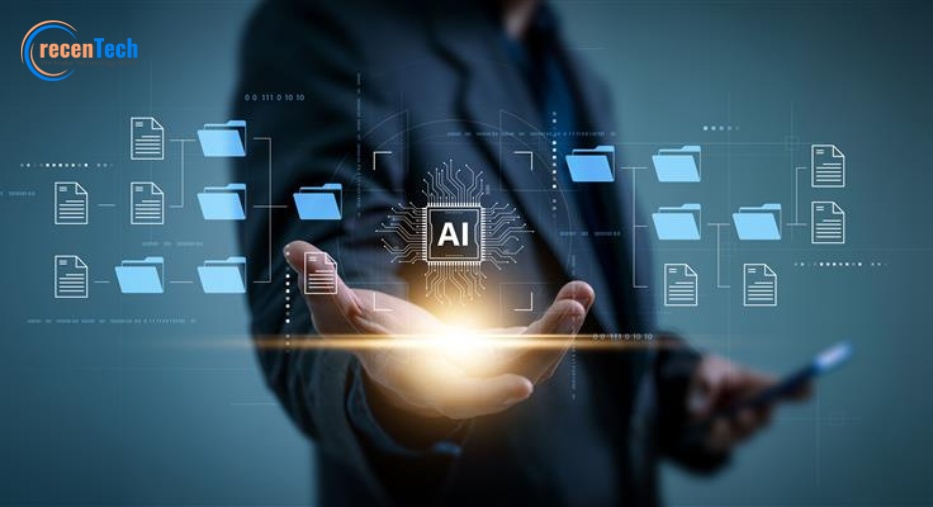
That is changing. AI Document Processing is moving past simple scanning. It is starting to understand the context. Here is a look at how it works and why it matters to your daily workload.
Why Your Old Scanner Was Not Very Smart
To see where we are going, we must look at the old way. Most offices use Optical Character Recognition (OCR). This was like a digital tracing paper. It could see that the shape was the letter "A," but it had no idea what that "A" meant. If a vendor moved the "Total Due" box on their invoice, the system would fail. It needed a perfect map to function.
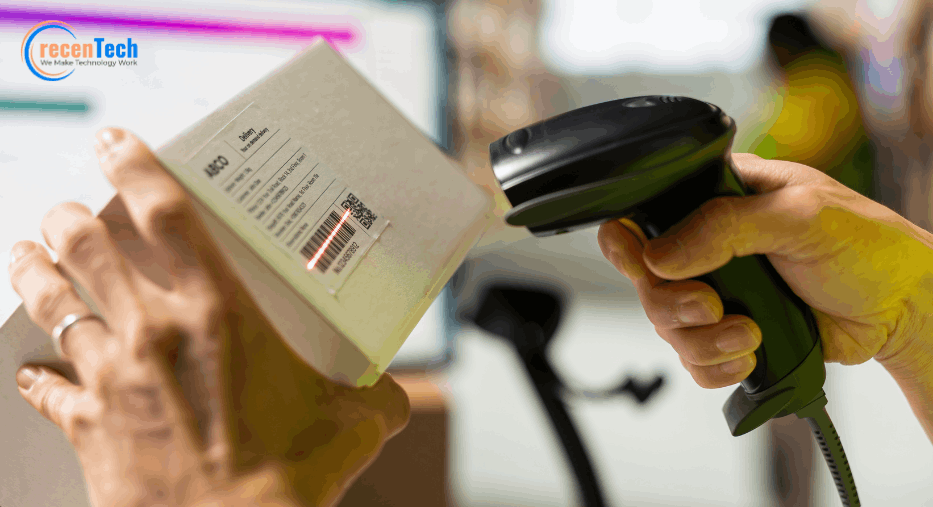
Newer AI document processing does not need those maps. They use Machine Learning and Natural Language Processing. These tools look at a document the way a person does. They understand that an invoice is an invoice regardless of the font. They see the relationship between numbers and words.
| Feature | The Old Way (Standard OCR) | The New Way (AI/IDP) |
|---|---|---|
| Logic | Follows strict, brittle rules | Uses patterns and context |
| File Types | Needs specific templates | Handles messy or random files |
| Learning | Needs manual coding to update | Gets smarter as it works |
| Handwriting | Usually fails or makes errors | Can often read messy notes |
| Data Extraction | Just copies the text | Validates what the data means |
This shift makes it possible for businesses to work with messy, unstructured data that used to need a human to sort through it. When the software understands the purpose of a document, everything moves much faster.
Real Wins for Your Workday
When you stop treating documents as static pictures, your office changes. Here are the biggest benefits.
1. Fixing the "Fat Finger" Problem
People are not great at data entry. We get tired and deviate, start checking our phones, and after a few coffees, a tiny slip of the finger is all it takes. Add a zero to a payment by mistake, and you could fix that mess for days. AI does not have those tired moments; the thousandth task is as accurate as the first, whether it is early Monday or late on a Friday afternoon.

2. Scaling Without the Growing Pains
Not long ago, when a business started to grow, the initial instinct was to bring in more people just to keep up with the paperwork. That quickly adds up. With AI document processing, the same team can handle the workload many times without squeezing in extra desks. Making people free to work on challenging and fascinating tasks is important. They can solve issues and enhance the company rather than just punching in numbers all day.
3. Finding Hidden Information
Most companies have a lot of "dark data." This is information trapped in old reports or contracts. Since you cannot search for it, it is useless. AI can read years of files in minutes. It can find trends in what you pay vendors or alert you to legal risks. It turns a pile of PDFs into a useful database.
4. Keeping Your Sanity
Let us be honest. No one enjoys manual data entry. It is one of the main reasons people quit their jobs. When you automate the robotic parts of a role, people feel more useful. They get to do the work they were hired to do.
Where This Technology Is Actually Working
This is not just for tech companies. Some of the oldest industries are using it the most.
Shipping and Logistics: Global trade is built on a mountain of forms. You have customs papers and shipping manifests from all over the world. They are all in different languages and formats. AI can read these instantly. It ensures a ship does not get stuck in port due to a typo.

The Mortgage Industry. If you have ever bought a house, you know the paperwork is a nightmare. Banks ask for pay stubs, tax forms, and bank statements. AI can sort these as soon as you upload them. It checks if the "Pay Stub" is what it claims to be. This cuts the wait time for a loan from weeks to days.
Healthcare Doctors' offices still deal with a lot of faxes. It is a bit strange, but it is true. AI can scan those faxes and drop the lab results straight into the right patient record. That reduces busy work and helps doctors detect critical information.
The Fear of the IT Nightmare
Many managers still assume that anything labeled “AI” means a huge, costly project. That used to be the case. Now, most tools are low-code and slot right into the systems you already rely on, like Salesforce or Microsoft Teams.
You do not need a team of scientists to set up. Usually, you just need a "single human in the loop" for a few weeks. The AI does the work, and a person checks it. If the AI makes a mistake, the person corrects it. The system learns from those corrections. It is like training a very fast intern.
If your business is ready to move past manual data entry, the team at Crecentech Systems helps. They build AI document processing solutions that fit into your current workflow without making things complicated. You can reach out today to see how these tools can save you time and reduce errors. It is a practical way to clean up your data flow and get your team back to more important work.
Talking to Your Files: What is Next?
We are moving toward a time where you can talk to your documents. You will be able to ask your computer questions about your files. You could ask: "Which contracts are expiring next month?" or "How much did we spend on office supplies in 2023?"
The "paperless" dream was never really about paper. It was about the friction that paper creates. By using AI document processing to bridge the gap between an image and its meaning, we are finally eliminating that friction.
Companies that start using this now will have a huge advantage. The ones that wait will still be typing into spreadsheets while everyone else has moved on. It is time to stop being a librarian for your data and start being a pilot. If you are still doing manual data entry, you are burning money.