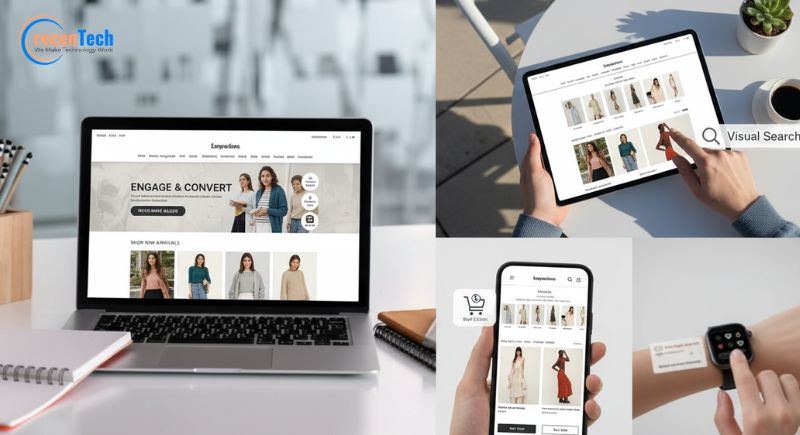
Fashion brands achieve significant wins over their consumers when they are recognized for combining excellent products with user-friendly and user-centric websites. When key features like loading speed, mobile-friendly designs, compelling storytelling, and easy checkout are combined, they create an effective conversion strategy.
The fashion industry in e-commerce has a close connection between aspiration and utility. Consumers tend to stay if they receive a smooth, user-friendly, and engaging experience. Even if the product is excellent, it won’t sell if the website where it is listed lacks basics like speed, clarity, and trustworthiness. In this article, you will learn the practical, actionable steps to design and develop your fashion websites that convert from the very first impression to checkout.
Why Fashion Websites Need a Conversion-Based Mindset
It is essential to understand the following to boost conversion:
The unique challenge for fashion retail online
Fashion consumers make decisions visually and emotionally. They want to feel how a garment will look and fit, but they rely entirely on images, descriptions, and site cues. That makes design, measurement tools like size guides, and UX more critical than in many other websites.
What does conversion mean for fashion brands?
Conversion is not just about sale vs no sale. It includes small conversions, product views, add-to-cart actions, newsletter sign-ups, checks for size guides, and purchase reviews. Tracking these metrics will help you understand the interaction between consumers and identify timely fixes that can increase overall revenue.
Core Conversion Drivers
Core conversion drivers for fashion sites start with speed and clarity. Slow pages drive shoppers away, so prioritize fast page loads, responsive images, and CDN. Measure First Contentful Paint and consumer interaction time and monitor bounce rates to optimize user experience. In the following table, you can get the idea of how you can measure the success of your brand based on essential KPIs.
Measuring Success
| Metric | Why it matters | Target (example) |
|---|---|---|
| Conversion Rate (site-wide) | Ultimate measure of revenue efficiency | 2.5% - 4% (depends on niche) |
| Mobile Conversion Rate | Mobile-first behavior indicates site health | Close to desktop; aim to reduce the gap |
| Cart Abandonment Rate | Shows checkout friction | < 60% (lower is better) |
| Return Rate | Cost driver; fit & expectation mismatch | < 20% (lower for premium brands) |
| Average Order Value (AOV) | Revenue growth lever | Increase via recommendations/cross-sell |
| Page Load Time (TTI) | Direct impact on bounce & conversions | < 3 seconds for best results |
Page Speed & Performance
For fashion websites, every second is crucial. Large images and interactive features can slow pages, so compress media, add responsive formats, and remove non-critical scripts. A faster page loading speed means more sessions and a lower bounce rate.
Mobile Experience
Fashion consumers navigate websites mostly from their phones. So, make menus simple and keep the search function front and center. Treat mobile as the primary experience and track mobile conversions and session durations to identify issues.
Visuals & Product Photography
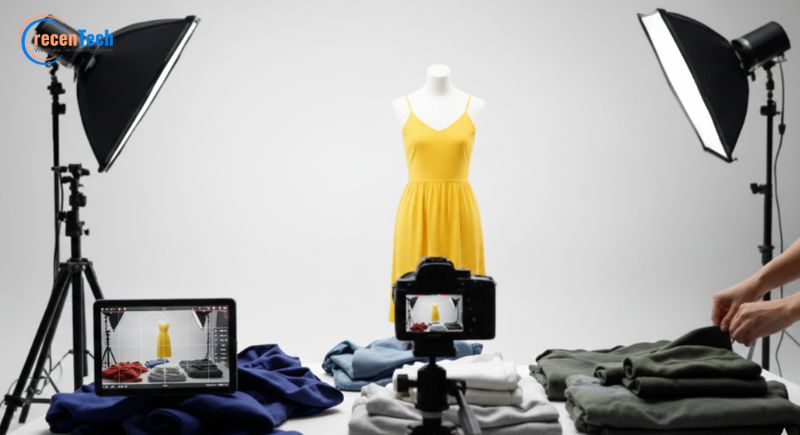
It is observed that website pages with a visually strong appeal, including multiple views, zoomable high-quality images, and short videos, tend to sell products faster. The addition of shots of real models helps consumers make informed decisions about purchases.
Size Guides & Returns Confidence
If consumers have any problem or anxiety regarding your product, they are more likely to leave your website. Therefore, you should provide them with clear size guides, simple fit predictions, and transparent return policies. It will increase their purchase confidence. You can also use return data to refine size recommendations to reduce repeated returns.
Checkout Flow & Payments
Checkouts should be smooth and easy to navigate. We recommend adding guest checkout, autocomplete address, and fast payment options to enable consumers to complete their final payment without hesitation. A notable example is Apple Pay: unnecessary steps and field overcomplication of the process, raising the chances of cart abandonment.
Personalization & Social Proof
Relevant recommendations boost average order value; real customer photos and verified reviews build trust. Test the recommendation logic and monitor AOV and click-throughs to validate the impact.
Design That Converts
Keep the hero focused and fast; show price and size selectors above the fold and keep the add-to-cart button accessible as users scroll. Simple, benefit-led headings that match the campaign creatively reduce confusion.
Technical Foundation
Use modular architecture so the front end can change without breaking back-end systems. Serve images via an image CDN, centralize tag management, and conduct ongoing A/B tests to identify improvements.
Rollout Roadmap
Start with quick wins, such as compressing images, adding a basic size guide, and fixing checkout errors. Next, add lazy loading and run A/B tests. Long-term, build personalization, fit prediction, and richer UGC features.
Common Mistakes to Avoid
Don’t trade beauty for speed, don’t ignore checkout analytics, and don’t let third-party scripts run unchecked. Treat mobile as primary and validate changes with real user metrics.
Visit CrecenTech to discuss a tailored plan or request a conversion audit and roadmap for your brand.
Budgeting & ROI Expectations
When you invest in top-notch development and UX, you can achieve higher conversion rates and lower customer support costs, which also result in reduced returns.
Final Words
Fashion brands achieve significant wins over their consumers when they are recognized for combining excellent products with user-friendly and user-centric websites. When key features like loading speed, mobile-friendly designs, compelling storytelling, and easy checkout are combined, they create an effective conversion strategy.
Therefore, prioritizing a professional approach, fixing the issues, and accurately measuring the improvements could succeed the brand.