
The banking industry is undergoing strategic as well as technological transformation. Financial institutions are discovering that digital systems can do more than just automate procedures. They can also produce experiences that are reliable, proactive, and personalized.
The banking industry is changing more quickly than it has in the past. Traditional systems are no longer able to satisfy the demands of speed, accuracy, and personalization as customer expectations and competition heats up. Banks nowadays are implementing smart technologies that change the way services are provided. These solutions make banking safer, faster, and customer focused.
Once a paper-heavy industry, it is now moving toward automated ecosystems where all processes, including fraud detection and loan approvals, operate more effectively.
AI is the New Face of Customer-Centric Banking
Relationships are now just as important to modern banking as transactions. Whether they are checking their balances, applying for a loan, or settling a dispute, customers should be served with a flawless experience. Banks can now predict needs, respond quickly, and customize financial experiences across all touchpoints with ai-powered digital systems.
Banks can use data-driven insights to understand customer behavior and customer products to fit spending habits, lifestyle patterns, and financial objectives. Personalized interactions promote trust and maintain customer engagement.
Predictive Insights to Make Better Decisions
Every day, banks deal with massive amounts of data, including credit records and transaction histories. These days, smart analytics tools transform that data into useful insights.
Decision-makers can see trends in real time, evaluate risk instantly, and make well-informed investment decisions rather than depending only on static reports. Predictive models can identify clients who might have trouble making their payments or spot odd spending patterns that might indicate fraud. These insights improve overall financial stability and overcome uncertainty.
Improved Security & Fraud Detection
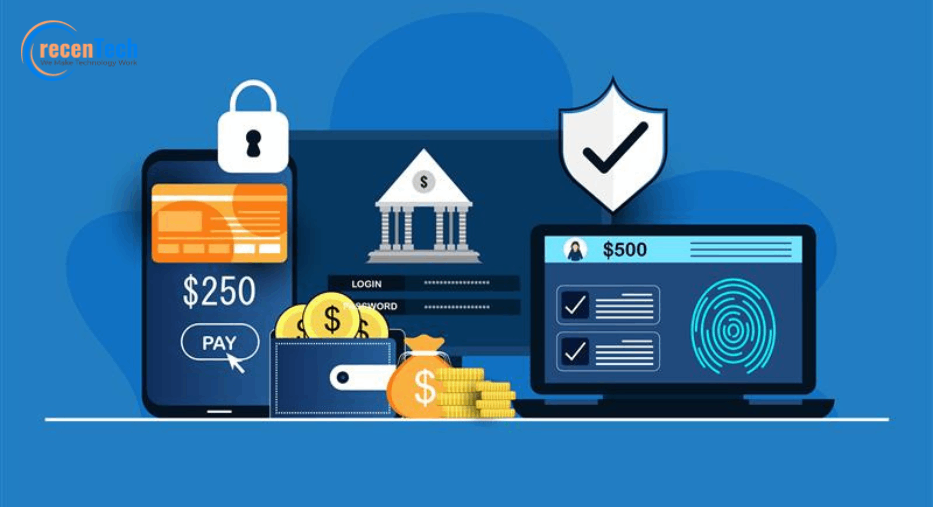
One of the biggest problems in banking has always been fraud. Fraudulent activities are increasing along with the increase in digital transactions. Smart monitoring that continuously scans thousands of transactions per second is now integrated into modern banking systems. The system automatically flags or blocks suspicious activity, such as unusual spending spikes or logins from unknown locations.
Customers' accounts are kept safe by this proactive defense, which also shields banks from harm to their finances and reputation.
Automation to Increase Productivity
Every modern financial system is powered by a network of automated workflows that expedite manual tasks. Previously taking days, loan applications, account verification, and compliance checks can be finished in the blink of an eye. This improves accuracy and consistency across departments and reduces operating costs.
Employees can focus on high-value tasks like relationship management and strategic planning by overcoming bottlenecks. It will also increase productivity and customer satisfaction.
Customized Interaction with Customers
Banking interactions were restricted to face-to-face meetings or email alerts. Banks can now reach consumers where they are with the help of digital tools, such as smart recommendations, personalized messages, and highly responsive mobile platforms.
For example, a user concentrating on investment growth might receive customized portfolio advice, while a user saving a home might receive loan options that are specifically customized to their needs. Financial services are now more relatable and reliable due to this move toward personal involvement.
Simplified Reporting and Compliance
A complicated part of banking operations has always been compliance. Regulations demand accurate reporting and ongoing monitoring, frequently across several jurisdictions.
This is made easier by digital banking solutions, which automate data collection, validation, and documentation. Reports that used to take teams hours to prepare are now produced instantly, reducing errors and assuring regulators complete transparency.
A Financial Future with Greater Connectivity
The banking sector continues to innovate with FinTech advancements. The seamless integration of financial ecosystems, including digital banks, fintech companies, and payment platforms, into networks will be the primary objective of planned innovation. Customers will have better financial experiences, quicker access, and more control in this unique environment. It means more flexibility, lower costs, and the ability to forecast market movements for banks.
The future of financial services will be defined by those organizations that make early investments in digital initiatives.
Build Trust Through Data Transparency
The foundation of the banking sector has always been trusted. In the digital age, trust is dependent on how well organizations handle and safeguard client data. Customers want to know that their financial information is secure, handled with transparency, and used ethically as many operations are performed online.
That is precisely what modern banking systems are designed to ensure. Sensitive information is protected at every stage by secure access controls, ongoing monitoring, and encrypted channels. Banks are being more open about how they use data, whether it's for fraud detection, service improvement, or customized offers.
In addition to improving customer relations, this transparency helps banks in meeting changing international compliance requirements. People are more confident than ever in digital banking when they know their information is handled honestly.
Final Words
The banking industry is undergoing strategic as well as technological transformation. Financial institutions are discovering that digital systems can do more than just automate procedures. They can also produce experiences that are reliable, proactive, and personalized.